
Foot Discomfort After Long Hours on Your Feet

Spending the day on your feet can leave them feeling tired, achy, and worn down, especially when the pressure builds without much relief. Muscles and soft tissues work constantly to keep you balanced, and over time, they can become tense or irritated. Hard flooring, unsupportive shoes, and limited movement often make the soreness more noticeable. Many people begin to feel tightness in the arch, heaviness through the heel, or a dull throb across the ball of the foot by the end of the day. When this happens repeatedly, small stresses can turn into more persistent problems that affect comfort and mobility. Simple changes such as wearing shoes with adequate support or stretching tight calf muscles may help ease the strain, but consistent pain deserves attention. If you find that daily standing leads to ongoing discomfort or limits your activity, it is suggested that you see a podiatrist for individualized assessment and appropriate care.

While working on the feet, it is important to take the proper care of them. For more information about working on your feet, contact Leonard Talarico, DPM from Georgia. Our doctor will treat your foot and ankle needs.

Working on Your Feet

Standing on your feet for long periods of time can cause stress and pain in your feet. Your whole body may experience change in terms of posture, back pain, bunions, callouses and or plantar warts. There are ways to avoid these conditions with proper foot care, smart choices and correct posture.

Positive Changes

Negative heeled shoe – Choosing this shoe type places the heel slightly lower than the ball of the foot. These are great for overall foot health. Find shoes that fit you correctly.

Go barefoot – Our feet were not designed to be enclosed for all hours of the day. Try to periodically expose your feet to air.

Eliminate Pain

Foot Exercises – Performing simple exercises, incorporating yoga and doing stretches are beneficial. This will allow increased blood flow to the area and muscles of the foot.

Achilles tendon – Stretching the foot out flat on the floor will relax the calf muscles and tendon. These exercises can be performed almost anywhere. Make sure you add these exercises to your daily regimen. 

With a little bit of this information and knowing more about foot health, you will notice changes. Foot stretches and proper footwear will help with pain and prevent further issues.

If you have any questions please contact our office located in Pooler, GA . We offer the newest diagnostic and treatment technologies for all your foot and ankle needs.

Read more about How to Handle a Long Work Day on Your Feet

Foot Fractures and the Importance of Proper Diagnosis

A foot fracture, commonly referred to as a broken foot, occurs when one or more of the bones in the foot crack or break due to trauma, overuse, or stress. Because symptoms like swelling, bruising, and pain can resemble an ankle sprain, a fracture is sometimes misdiagnosed, leading to delayed healing and further complications. Types of foot fractures include stress fractures, displaced fractures, and hairline fractures, each requiring specific management. An accurate diagnosis through clinical evaluation and imaging tests is essential for proper treatment. A podiatrist can identify the source of pain, provide immobilization or other therapies, and guide recovery. If you have broken your foot, it is suggested that you consult a podiatrist who can guide you toward proper treatment, ensuring your injury heals correctly and completely. 

A broken foot requires immediate medical attention and treatment. If you need your feet checked, contact Leonard Talarico, DPM from Georgia. Our doctor can provide the care you need to keep you pain-free and on your feet.

Broken Foot Causes, Symptoms, and Treatment

A broken foot is caused by one of the bones in the foot typically breaking when bended, crushed, or stretched beyond its natural capabilities. Usually the location of the fracture indicates how the break occurred, whether it was through an object, fall, or any other type of injury. 

Common Symptoms of Broken Feet:

  • Bruising
  • Pain
  • Redness
  • Swelling
  • Blue in color
  • Numbness
  • Cold
  • Misshapen
  • Cuts
  • Deformities

Those that suspect they have a broken foot shoot seek urgent medical attention where a medical professional could diagnose the severity.

Treatment for broken bones varies depending on the cause, severity and location. Some will require the use of splints, casts or crutches while others could even involve surgery to repair the broken bones. Personal care includes the use of ice and keeping the foot stabilized and elevated.

If you have any questions, please feel free to contact our office located in Pooler, GA . We offer the newest diagnostic and treatment technologies for all your foot care needs.

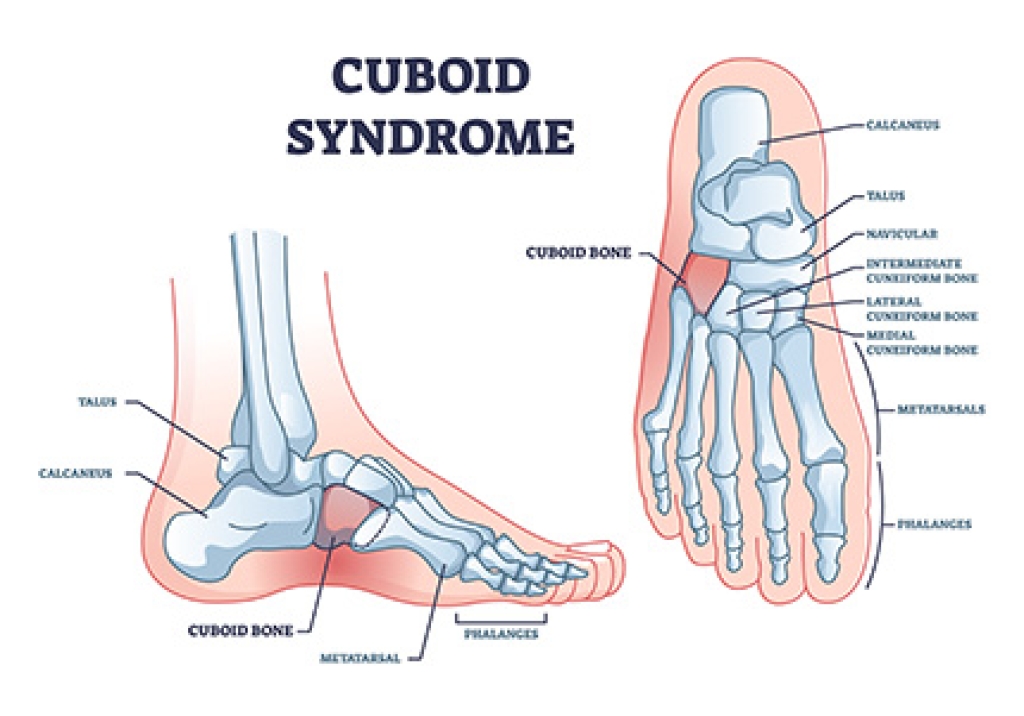
Read more about Causes, Symptoms, and Treatment for a Broken Foot

How an Ankle Replacement Restores Mobility

Ankle replacement is a surgical procedure in which a damaged ankle joint is replaced with an artificial implant to restore function and reduce pain. The surgery is performed under anesthesia, allowing the surgeon to remove diseased or injured bone and cartilage before placing the prosthetic joint. Common causes that may lead to ankle replacement include severe arthritis, bone fractures, infections, and tumors that compromise joint integrity. Symptoms often include chronic pain, stiffness, and limited mobility that do not respond to conservative treatments. A podiatrist can evaluate ankle health, determine if replacement is appropriate, coordinate appropriate care and manage post-operative recovery. If you have an ankle condition, it is suggested that you consult a podiatrist who can determine if this type of foot surgery is right for you.

Foot surgery is sometimes necessary to treat a foot ailment. To learn more, contact Leonard Talarico, DPM of Georgia. Our doctor will assist you with all of your foot and ankle needs.

When Is Surgery Necessary?

Foot and ankle surgery is generally reserved for cases in which less invasive, conservative procedures have failed to alleviate the problem. Some of the cases in which surgery may be necessary include:

  • Removing foot deformities like bunions and bone spurs
  • Severe arthritis that has caused bone issues
  • Cosmetic reconstruction

What Types of Surgery Are There?

The type of surgery you receive will depend on the nature of the problem you have. Some of the possible surgeries include:

  • Bunionectomy for painful bunions
  • Surgical fusion for realignment of bones
  • Neuropathy decompression surgery to treat nerve damage

Benefits of Surgery

Although surgery is usually a last resort, it can provide more complete pain relief compared to non-surgical methods and may allow you to finally resume full activity.

Surgical techniques have also become increasingly sophisticated. Techniques like endoscopic surgery allow for smaller incisions and faster recovery times.

If you have any questions, please feel free to contact our office located in Pooler, GA . We offer the newest diagnostic and treatment technologies for all your foot care needs.
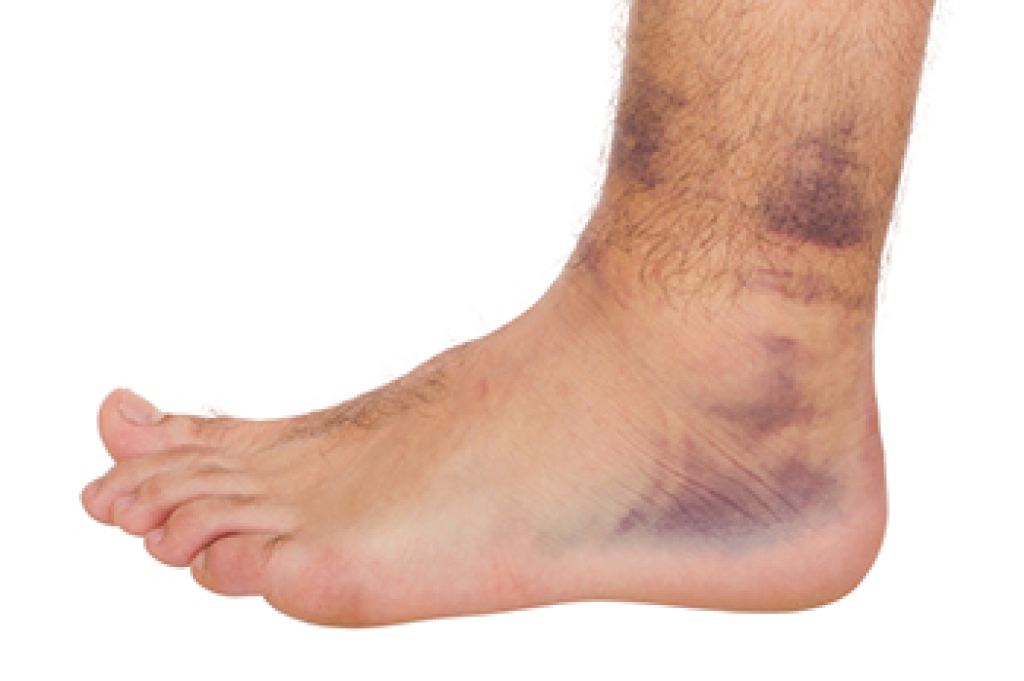
Read more about Foot and Ankle Surgery

It's Time for Beautiful Feet

You don't need an excuse to have beautiful nails. Step outside without worrying about the appearance of your feet.

Weight Loss and Its Impact on Osteoarthritis Pain

Osteoarthritis is a common joint condition that often affects the feet, ankles, knees, and hips. Excess body weight increases stress on weight-bearing joints, accelerating cartilage wear and worsening inflammation. Even modest weight gain can significantly increase pressure through the lower extremities with every step. Over time, this added load may lead to stiffness, swelling, and chronic foot pain that limits mobility and daily activity. Weight loss can play a meaningful role in managing osteoarthritis symptoms. Reducing body weight helps decrease joint stress, improve walking comfort, and slow disease progression. Many people notice less pain and improved endurance with gradual, sustainable weight reduction. Low-impact exercise, wearing supportive footwear, and orthotics may further protect the joints while remaining active. Weight management also supports overall joint health and balance, lowering fall risk. When osteoarthritis-related foot pain persists or worsens, it is suggested that you seek an evaluation by a podiatrist who can help guide treatment options and long-term care.

Arthritis can be a difficult condition to live with. If you are seeking treatment, contact Leonard Talarico, DPM from Georgia. Our doctor can provide the care you need to keep you pain-free and on your feet.

Arthritic Foot Care  

Arthritis is a term that is commonly used to describe joint pain.  The condition itself can occur to anyone of any age, race, or gender, and there are over 100 types of it.  Nevertheless, arthritis is more commonly found in women compared to men, and it is also more prevalent in those who are overweight. The causes of arthritis vary depending on which type of arthritis you have. Osteoarthritis for example, is often caused by injury, while rheumatoid arthritis is caused by a misdirected immune system.

Symptoms

  • Swelling
  • Pain
  • Stiffness
  • Decreased Range of Motion

Arthritic symptoms range in severity, and they may come and go. Some symptoms stay the same for several years but could potentially get worse with time. Severe cases of arthritis can prevent its sufferers from performing daily activities and make walking difficult.

Risk Factors

  • Occupation – Occupations requiring repetitive knee movements have been linked to osteoarthritis
  • Obesity – Excess weight can contribute to osteoarthritis development
  • Infection – Microbial agents can infect the joints and trigger arthritis
  • Joint Injuries – Damage to joints may lead to osteoarthritis
  • Age – Risk increases with age
  • Gender –Most types are more common in women
  • Genetics – Arthritis can be hereditary

If you suspect your arthritis is affecting your feet, it is crucial that you see a podiatrist immediately. Your doctor will be able to address your specific case and help you decide which treatment method is best for you.

If you have any questions please feel free to contact our office located in Pooler, GA . We offer the newest diagnostic tools and technology to treat your foot and ankle needs.

Read more about How to Care for Your Arthritic Foot

Connect With Us