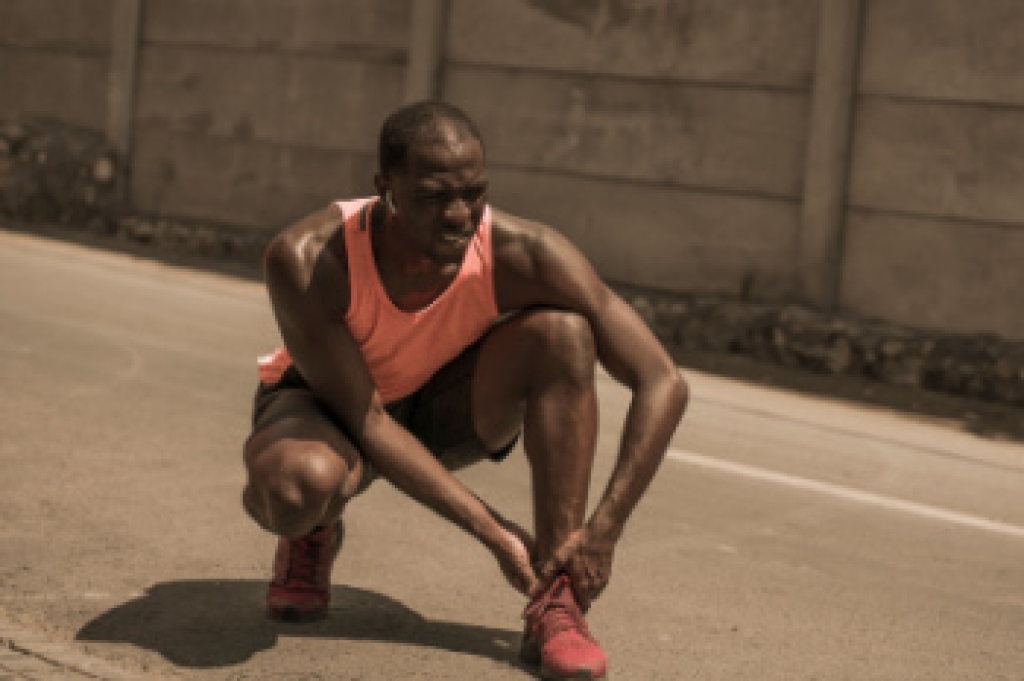
Running places repeated force through the feet and ankles, and several risk factors can lead to injury in these areas. Blisters form when the foot slides inside the shoe, and shin pain often develops when the muscles and tendons along the lower leg are strained. Hard surfaces, poor technique like running flat-footed, and wearing shoes with inadequate support can increase the chance of foot and ankle injury. Runners who push beyond their current fitness level may experience tendon irritation, stress fractures, or ligament strain. Uneven trails, loose sand, and wearing flip-flops before or after a run can also affect safety. A podiatrist can assess foot posture, examine worn shoe patterns, and recommend supportive gear. This foot doctor can also prescribe custom orthotics and guide recovery if surgery is necessary. If you are experiencing foot or ankle pain after running, it is suggested that you schedule an appointment with a podiatrist for a diagnosis and appropriate treatment.
Exercising your feet regularly with the proper foot wear is a great way to prevent injuries. If you have any concerns about your feet, contact Leonard Talarico, DPM of Georgia. Our doctor will treat your foot and ankle needs.
How to Prevent Running Injuries
Many common running injuries are caused by overuse and overtraining. When the back of the kneecap starts wearing out and starts causing pain in your knee, this is commonly referred to as runner’s knee. Runner’s knee is a decrease in strength in your quadriceps and can occur if you’re not wearing properly fitted or supporting shoes. To prevent runner’s knee, focusing on hip strengthening is a good idea, as well as strengthening your quads to keep the kneecaps aligned.
What Are Some Causes of Running Injuries?
- One cause of a common running injury is called iliotibial band syndrome.
- Plantar fasciitis is also another common injury.
- Stress fractures can occur from overtraining, lack of calcium, or even your running style.
Best Ways to Prevent Running Injuries
- Wear footwear that fits properly and suits your running needs.
- Running shoes are the only protective gear that runners have to safeguard them from injury.
- Make a training schedule. Adding strengthening exercises as well as regular stretching can help keep you strong and limber and can lessen the possibility of injuries.
- Stretching keeps muscles limber; this will help you gain better flexibility.
If you have any questions, please feel free to contact our office located in Pooler, GA . We offer the newest diagnostic and treatment technologies for all your foot care needs.