Exercises That Support Strong and Healthy Feet

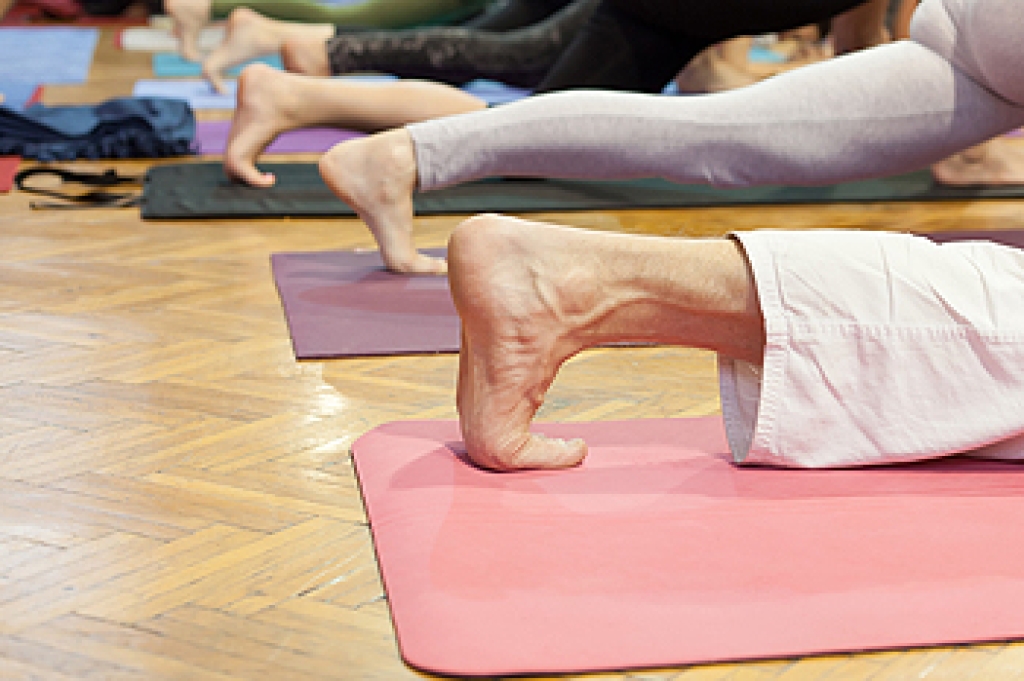
Exercises that focus on the feet can improve strength, flexibility, and overall stability. Yoga foot stretches gently lengthen muscles and tendons, helping improve balance and support proper alignment. Stable feet create a strong foundation in yoga and bring greater awareness to the entire body through controlled movement and grounding. Rolling the bottom of the foot on a firm surface provides myofascial release, which helps reduce tension in the plantar tissues and improve circulation. Through yoga, toe stretches improve mobility and reduce stiffness by lengthening the small muscles of the forefoot. Plantar fasciitis stretches focus on easing strain along the arch and heel to reduce pain and inflammation. A podiatrist can guide proper technique, recommend personalized exercises, and treat underlying conditions. If you have foot pain, it is suggested that you consult a podiatrist who can provide a proper diagnosis and treatment.

Stretching the feet is a great way to prevent injuries. If you have any concerns with your feet consult with Leonard Talarico, DPM from Georgia. Our doctor will assess your condition and provide you with quality foot and ankle treatment.

Stretching the Feet

Being the backbone of the body, the feet carry your entire weight and can easily become overexerted, causing cramps and pain. As with any body part, stretching your feet can serve many benefits. From increasing flexibility to even providing some pain relief, be sure to give your feet a stretch from time to time. This is especially important for athletes or anyone performing aerobic exercises, but anyone experiencing foot pain or is on their feet constantly should also engage in this practice.

Great ways to stretch your feet:

  • Crossing one leg over the others and carefully pull your toes back. Do 10-20 repetitions and repeat the process for each foot
  • Face a wall with your arms out and hands flat against the wall. Step back with one foot and keep it flat on the floor while moving the other leg forward. Lean towards the wall until you feel a stretch. Hold for 30 seconds and perform 10 repetitions for each foot
  • Be sure not to overextend or push your limbs too hard or you could risk pulling or straining your muscle

Individuals who tend to their feet by regular stretching every day should be able to minimize foot pain and prevent new problems from arising.

If you have any questions please contact our office located in Pooler, GA . We offer the newest diagnostic and treatment technologies for all your foot and ankle needs.

Read more about How to Stretch Your Feet

Symptoms and Causes of Fungal Toenails

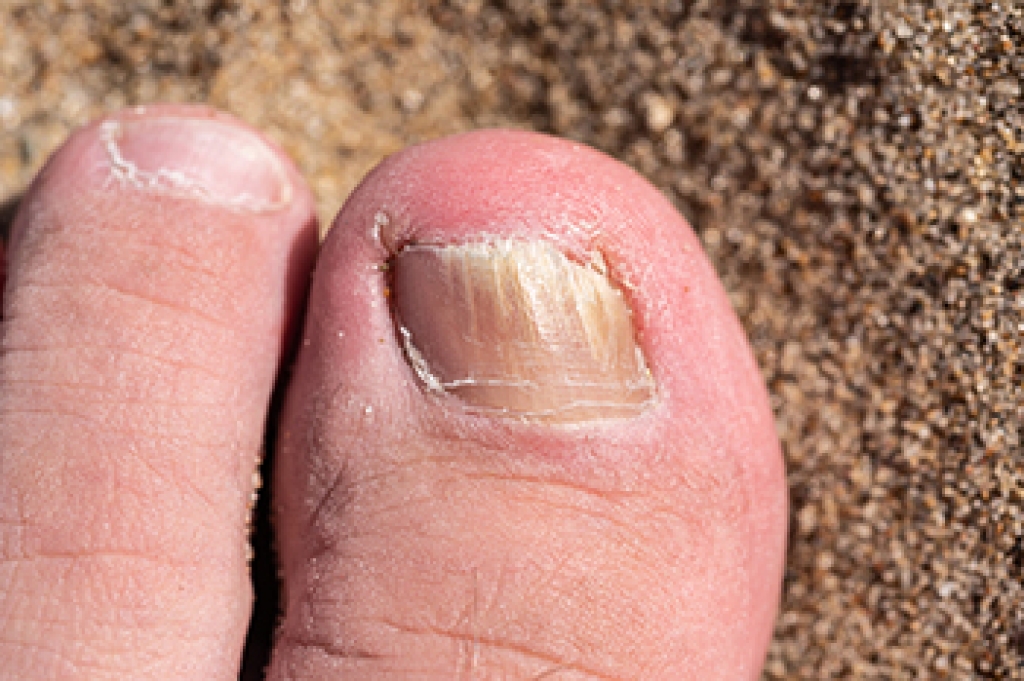
Fungal toenails develop gradually and affect the appearance and health of nails. Symptoms include thickened nails, discoloration ranging from yellow to brown, brittle edges, and changes in nail shape. Some people notice lifting of the nail from the nail bed, surface debris, or an unpleasant odor. Discomfort can occur when pressure is applied. Causes are linked to fungal organisms that thrive in warm, moist environments and enter through small breaks in the nail or surrounding skin. Risk factors include nail trauma, reduced circulation, and advancing age. Certain medical conditions and prolonged exposure to damp footwear or communal surfaces are other factors. A podiatrist can confirm the diagnosis through examination and testing and rule out other nail disorders. Medical treatment is aimed at clearing infection and protecting nail growth. If you have symptoms of toenail fungus, it is suggested that you make an appointment with a podiatrist for an exam, diagnosis, and treatment.

For more information about treatment, contact Leonard Talarico, DPM of Georgia. Our doctor can provide the care you need to keep you pain-free and on your feet.

Toenail Fungus Treatment

Toenail fungus is a condition that affects many people and can be especially hard to get rid of. Fortunately, there are several methods to go about treating and avoiding it.

Antifungals & Deterrence

Oral antifungal medicine has been shown to be effective in many cases. It is important to consult with a podiatrist to determine the proper regiment for you, or potentially explore other options.

Applying foot powder on the feet and shoes helps keep the feet free of moisture and sweat.

Sandals or open toed shoes – Wearing these will allow air movement and help keep feet dry. They also expose your feet to light, which fungus cannot tolerate. Socks with moisture wicking material also help as well.

If you have any questions please contact our office located in Pooler, GA . We offer the newest diagnostic and treatment technologies for all your foot and ankle needs.

Read more about How to Treat Your Toenail Fungus

Treatment Options for Heel Pain

Heel pain can interfere with walking, standing, and daily activities. One of the most common causes of heel pain is strain on the thick band of tissue under the heel, termed the plantar fascia. Among other causes are inflammation near the heel bone, nerve irritation, or structur

al issues that affect how the foot absorbs pressure. A podiatrist performs a detailed exam, reviews activity history, and may use imaging to identify the source of heel pain. Treatment options include custom orthotics to reduce strain, guided stretching programs, activity modification, and medical procedures for persistent symptoms. Addressing alignment or gait problems can reduce repeated stress on the heel and surrounding tissues. Surgery may be discussed when other options do not provide lasting relief. If you experience heel pain that will not go away, it is suggested that you make an appointment with a podiatrist for an exam and treatment.

Many people suffer from bouts of heel pain. For more information, contact Leonard Talarico, DPM of Georgia. Our doctor can provide the care you need to keep you pain-free and on your feet.

Causes of Heel Pain

Heel pain is often associated with plantar fasciitis. The plantar fascia is a band of tissues that extends along the bottom of the foot. A rip or tear in this ligament can cause inflammation of the tissue.

Achilles tendonitis is another cause of heel pain. Inflammation of the Achilles tendon will cause pain from fractures and muscle tearing. Lack of flexibility is also another symptom.

Heel spurs are another cause of pain. When the tissues of the plantar fascia undergo a great deal of stress, it can lead to ligament separation from the heel bone, causing heel spurs.

Why Might Heel Pain Occur?

  • Wearing ill-fitting shoes                
  • Wearing non-supportive shoes
  • Weight change           
  • Excessive running

Treatments

Heel pain should be treated as soon as possible for immediate results. Keeping your feet in a stress-free environment will help. If you suffer from Achilles tendonitis or plantar fasciitis, applying ice will reduce the swelling. Stretching before an exercise like running will help the muscles. Using all these tips will help make heel pain a condition of the past.

If you have any questions, please feel free to contact our office located in Pooler, GA . We offer the newest diagnostic and treatment technologies for all your foot care needs.

Read more about Heel Pain

Connect With Us