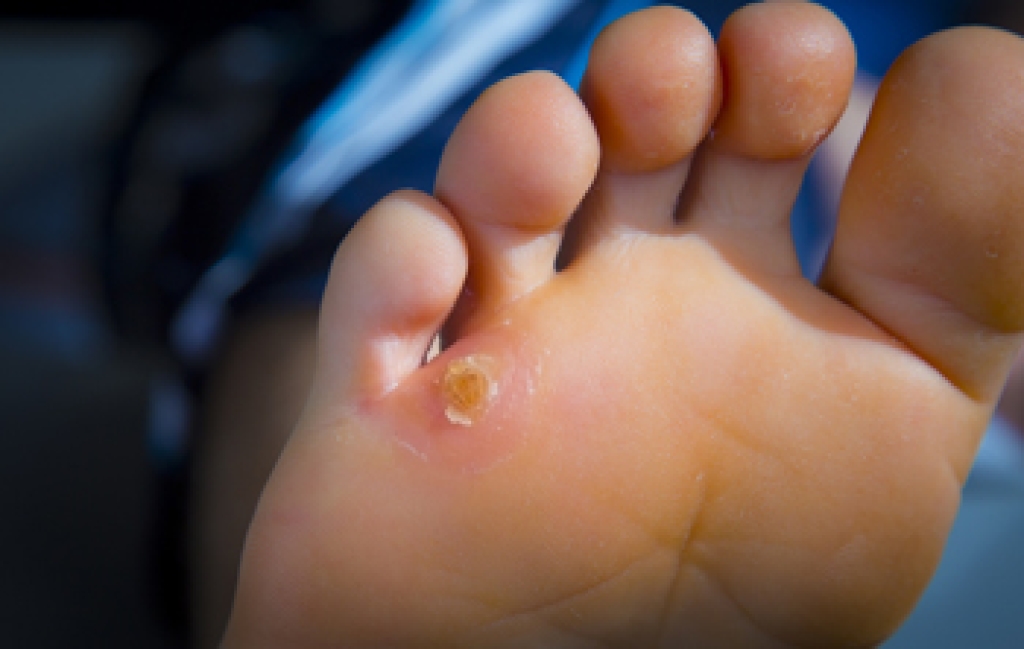
How Foot Biomechanics Effects Every Step

Foot biomechanics refers to how the bones, muscles, and other structures of the feet work together during movement. Each step requires the foot to support body weight, absorb force, and help move the body forward. The position and movement of the feet can also influence the ankles, knees, and other areas involved in walking. When foot mechanics are working efficiently, pressure is distributed across the foot as the body moves. Differences in foot structure or movement patterns, however, may change where that pressure is placed. These changes can contribute to discomfort or make certain activities more difficult.


Problems with foot biomechanics can affect people in different ways. Some individuals may place more pressure on the inside or outside of the foot while walking. Others may have changes in their arches or joint movement that affect how the foot handles weight. These patterns may contribute to foot pain, heel discomfort, or ankle problems. Altered foot mechanics can also influence balance and the way a person walks. Since many factors can affect movement, pain does not always come from the area where the original problem began. A professional biomechanical assessment can provide a clearer picture of how the feet function during standing and walking.


A podiatrist can evaluate foot biomechanics by examining foot structure, joint movement, and walking patterns. This assessment can help identify areas of unusual pressure or movement that may be contributing to pain. Depending on the findings, podiatric care may include custom orthotics, footwear recommendations, or other treatments designed to improve support and function. Treatment is based on each patient’s foot structure, symptoms, and activity needs. Addressing biomechanical problems may help improve comfort and reduce stress on the feet during movement. If foot pain or changes in your walking pattern are affecting your mobility, it is suggested that you consult a podiatrist for an evaluation and appropriate treatment options.

If you have any concerns about your feet, contact Leonard Talarico, DPM from Georgia. Our doctor can provide the care you need to keep you pain-free and on your feet.

Biomechanics in Podiatry

Podiatric biomechanics is a particular sector of specialty podiatry with licensed practitioners who are trained to diagnose and treat conditions affecting the foot, ankle and lower leg. Biomechanics deals with the forces that act against the body, causing an interference with the biological structures. It focuses on the movement of the ankle, the foot and the forces that interact with them.

A History of Biomechanics

  • Biomechanics dates back to the BC era in Egypt where evidence of professional foot care has been recorded.
  • In 1974, biomechanics gained a higher profile from the studies of Merton Root, who claimed that by changing or controlling the forces between the ankle and the foot, corrections or conditions could be implemented to gain strength and coordination in the area.

Modern technological improvements are based on past theories and therapeutic processes that provide a better understanding of podiatric concepts for biomechanics. Computers can provide accurate information about the forces and patterns of the feet and lower legs.

Understanding biomechanics of the feet can help improve and eliminate pain, stopping further stress to the foot.

If you have any questions please feel free to contact our office located in Pooler, GA . We offer the newest diagnostic and treatment technologies for all your foot and ankle needs.

Read more about The Importance of Biomechanics in Podiatry

Gout Pain Can Be Managed

Gout is a painful, inflammatory form of arthritis. Those affected will typically feel an intense stiffness in the joints of their feet, particularly in the big toe. Schedule a visit to learn about how gout can be managed and treated.

Types of Athlete’s Foot Infections

Athlete's foot is a fungal skin infection that affects the feet and spreads in damp, high traffic environments. It develops when fungi grow on the surface of the skin, especially in areas that remain warm and moist for long periods of time. Athlete's foot is extremely contagious and can spread through shared footwear, locker rooms, and public showers. Individuals with a weakened immune system or diabetes may be at a higher risk, as their bodies may have more difficulty fighting off infections.

The symptoms of athlete's foot depend on the specific type of infection. Many people experience itching, burning, and irritation that can worsen after removing shoes. Interdigital athlete's foot causes skin breakdown between the toes, often appearing white, soggy, or cracked. Plantar athlete's foot affects the bottom of the foot and causes dry, scaly skin that may extend along the sides of the foot. Additionally, acute vesicular athlete's foot is characterized by sudden blister formation, with itchy or painful fluid-filled lesions that can cause significant discomfort.


Several causes and risk factors contribute to athlete's foot. Walking barefoot in public areas such as pools and showers exposes the skin to fungi. Sharing shoes, socks, or towels increases the risk of transmission. Excessive sweating, tight footwear, and poor ventilation create an ideal environment for fungal growth. Medical conditions such as diabetes and immune system disorders can also make individuals more susceptible to infection and slow the healing process.


Prevention and treatment focus on maintaining proper foot hygiene and reducing moisture. Keeping the feet dry, wearing moisture-wicking socks, and choosing well ventilated shoes can help lower the risk. Antifungal medications are often effective, but recurring infections may require evaluation by a podiatrist. Professional care ensures proper identification of the infection type and effective treatment planning. If you have symptoms of athlete's foot, it is strongly suggested that you consult a podiatrist for effective treatment solutions, which may include prescribed medication. 

Athlete’s Foot

Athlete’s foot is often an uncomfortable condition to experience. Thankfully, podiatrists specialize in treating athlete’s foot and offer the best treatment options. If you have any questions about athlete’s foot, consult with Leonard Talarico, DPM from Georgia. Our doctor will assess your condition and provide you with quality treatment.

What Is Athlete’s Foot?

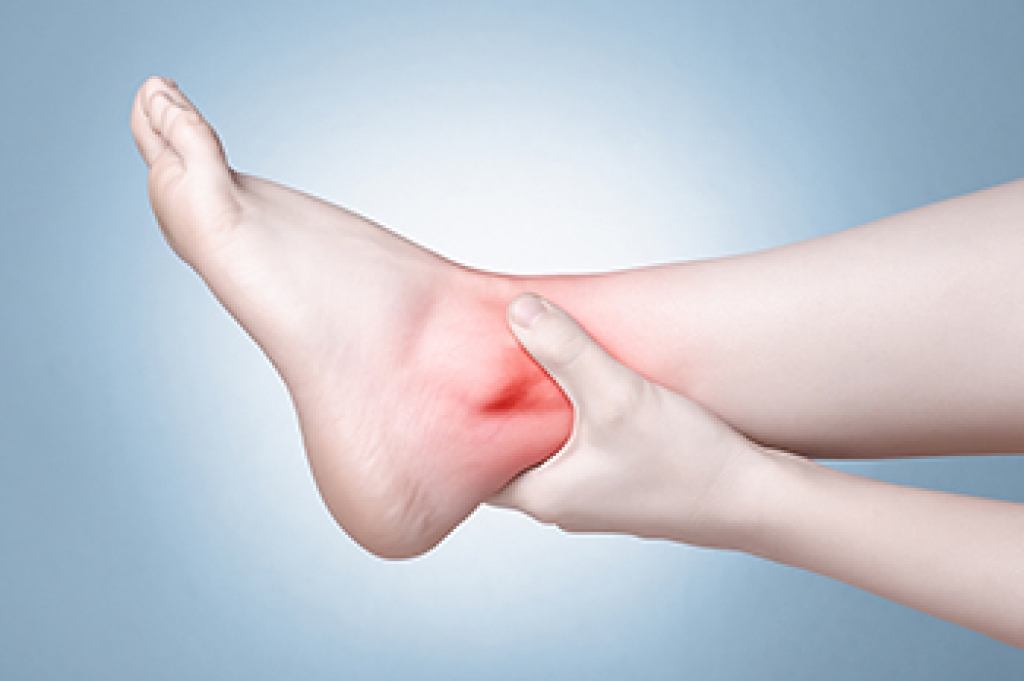
Tinea pedis, more commonly known as athlete’s foot, is a non-serious and common fungal infection of the foot. Athlete’s foot is contagious and can be contracted by touching someone who has it or infected surfaces. The most common places contaminated by it are public showers, locker rooms, and swimming pools. Once contracted, it grows on feet that are left inside moist, dark, and warm shoes and socks.

Prevention

The most effective ways to prevent athlete’s foot include:

  • Thoroughly washing and drying feet
  • Avoid going barefoot in locker rooms and public showers
  • Using shower shoes in public showers
  • Wearing socks that allow the feet to breathe
  • Changing socks and shoes frequently if you sweat a lot

Symptoms

Athlete’s foot initially occurs as a rash between the toes. However, if left undiagnosed, it can spread to the sides and bottom of the feet, toenails, and if touched by hand, the hands themselves. Symptoms include:

  • Redness
  • Burning
  • Itching
  • Scaly and peeling skin

Diagnosis and Treatment

Diagnosis is quick and easy. Skin samples will be taken and either viewed under a microscope or sent to a lab for testing. Sometimes, a podiatrist can diagnose it based on simply looking at it. Once confirmed, treatment options include oral and topical antifungal medications.

If you have any questions, please feel free to contact our office located in Pooler, GA . We offer the newest diagnostic and treatment technologies for all your foot care needs.
Read more about How to Deal with Athlete's Foot

Causes and Treatment of Hammertoe

Hammertoe occurs when one or more toes bend into an abnormal position, causing the toe to look raised at the middle joint. The second, third, and fourth toes are frequently affected. This change can cause discomfort in the front of the foot and irritation where the bent toe rubs against a shoe. A thickened area of skin called a callus can also develop from repeated pressure. Hammertoe can affect how the foot moves and places extra pressure on parts of the foot when walking. Several factors can contribute to hammertoe, including changes in toe muscle strength, limited ankle movement, and changes in foot mechanics.

The muscles that move the toes help maintain their normal position. When the muscles that straighten the toes are stronger than the muscles that bend them, an imbalance can develop. This imbalance has been linked with the amount of toe bending seen in hammertoe. Limited upward ankle movement can also be associated with the condition. Reduced movement in another foot joint can contribute as well. These factors can affect how the foot moves and how pressure is placed across the toes. A podiatrist can examine toe position, muscle function, and areas of pressure to better understand the factors affecting a patient.

Treatment depends on the flexibility of the toe, the amount of discomfort, and how the condition affects daily activity. A podiatrist can assess the deformity and recommend appropriate treatment based on the findings. Care can include changes to footwear, treatment for painful calluses, or other measures designed to reduce pressure on the affected toe. A podiatrist can also assess related foot and ankle movement to determine whether these factors are contributing to the condition. If you have developed a hammertoe, it is suggested that you schedule an appointment with a podiatrist for effective relief and management tips. 

Hammertoe

Hammertoes can be a painful condition to live with. For more information, contact Leonard Talarico, DPM from Georgia. Our doctor will answer any of your foot- and ankle-related questions.

Hammertoe is a foot deformity that affects the joints of the second, third, fourth, or fifth toes of your feet. It is a painful foot condition in which these toes curl and arch up, which can often lead to pain when wearing footwear.

Symptoms

  • Pain in the affected toes
  • Development of corns or calluses due to friction
  • Inflammation
  • Redness
  • Contracture of the toes

Causes

Genetics – People who are genetically predisposed to hammertoe are often more susceptible

Arthritis – Because arthritis affects the joints in your toes, further deformities stemming from arthritis can occur

Trauma – Direct trauma to the toes could potentially lead to hammertoe

Ill-fitting shoes – Undue pressure on the front of the toes from ill-fitting shoes can potentially lead to the development of hammertoe

Treatment

Orthotics – Custom made inserts can be used to help relieve pressure placed on the toes and therefore relieve some of the pain associated with it

Medications – Oral medications such as anti-inflammatories or NSAIDs could be used to treat the pain and inflammation hammertoes causes. Injections of corticosteroids are also sometimes used

Surgery – In more severe cases where the hammertoes have become more rigid, foot surgery is a potential option

If you have any questions, please feel free to contact our office located in Pooler, GA . We offer the newest diagnostic and treatment technologies for all your foot care needs.
Read more about What Are Hammertoes?

Toe Fracture Diagnosis and Care From a Podiatrist

A toe fracture can occur when a toe is stubbed, struck, or caught against an object. Most toe fractures heal without major problems, but fractures involving a symphalangeal toe can require a longer healing period. Symphalangism is a condition present from birth in which two bones in a toe are joined at the joint between them. It most often affects the smaller toes. Because the joined bones create a stiffer toe, the area has less flexibility when force is placed on it. This can increase the chance of a fracture after an injury. Symptoms include pain, swelling, and tenderness around the injured toe. Some patients also have difficulty walking comfortably because of pain and stiffness.

A podiatrist can examine the toe and use X-rays to determine whether a fracture is present. The examination helps identify the location and severity of the injury. Fractures involving a symphalangeal toe can behave differently from typical fractures of the smaller toes. Healing can take longer because the joined bones have different structural and blood-flow characteristics. In reported cases, patients treated without surgery eventually reached complete healing, but the healing period was longer than expected for many patients. Complete healing took an average of several months, with some fractures requiring substantially longer periods. This delayed healing does not necessarily mean that the fracture will fail to heal. Regular evaluation helps track changes and confirms that the bone is progressing toward healing.

Treatment depends on the location and condition of the fracture. A podiatrist can monitor the toe with follow-up examinations and X-rays to track healing. Care can also include protecting the injured toe and limiting stress placed on the fracture while healing takes place. Most symphalangeal fractures can be managed without surgery when the bones remain properly aligned. A podiatrist can determine whether additional treatment is necessary based on the fracture's position, symptoms, and healing progress. Recognizing the possibility of delayed healing allows appropriate monitoring and helps support a safe return to normal activity. If symptoms of a toe fracture or symphalangeal toe injury are present, it is suggested that an appointment be made with a podiatrist for a  diagnosis and appropriate treatment.

Broken toes may cause a lot of pain and should be treated as soon as possible. If you have any concerns about your feet, contact Leonard Talarico, DPM from Georgia. Our doctor will treat your foot and ankle needs.

What Is a Broken Toe?

A broken toe occurs when one or more of the toe bones of the foot are broken after an injury. Injuries such as stubbing your toe or dropping a heavy object on it may cause a toe fracture.

Symptoms of a Broken Toe

  • Swelling
  • Pain (with/without wearing shoes)
  • Stiffness
  • Nail Injury

Although the injured toe should be monitored daily, it is especially important to have a podiatrist look at your toe if you have severe symptoms. Some of these symptoms include worsening or new pain that is not relieved with medication, sores, redness, or open wounds near the toe.

If you have any questions please feel free to contact our office located in Pooler, GA . We offer the newest diagnostic tools and technology to treat your foot and ankle needs.

Read more about What to Know About a Broken Toe

Connect With Us