Obesity and Foot Health

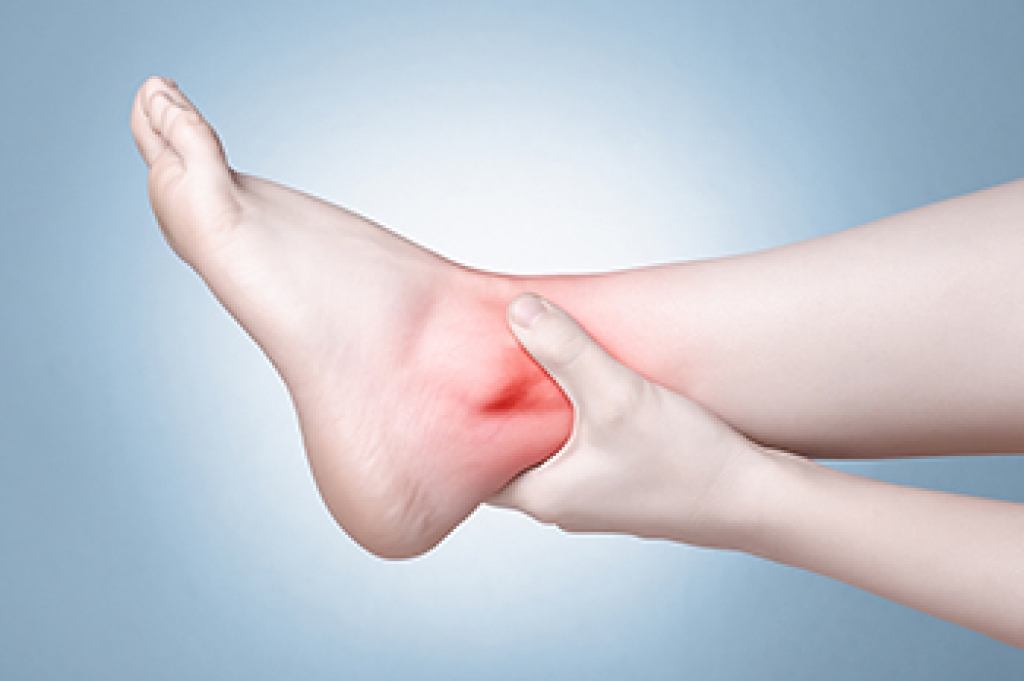
The feet carry the body's weight with every step. For that reason, extra weight can place added stress on the bones, joints, and soft tissues. This increased pressure may change the way the feet function and lead to ongoing discomfort. People living with obesity are more likely to experience foot pain, heel pain, and problems with balance or walking. They may also have a greater risk of developing conditions like plantar fasciitis, flat feet, or arthritis in the foot and ankle. These changes can make everyday activities more difficult and may reduce overall mobility. As discomfort increases, staying active often becomes more challenging, which can further affect foot health and quality of life.


A podiatrist can evaluate how extra weight is affecting the feet and identify problems before they become more severe. During an examination, the podiatrist assesses foot alignment, joint movement, and areas of increased pressure. They also look for signs of skin damage, joint changes, or tendon strain that may contribute to pain. Treatment is based on each person's needs and may include custom orthotics, supportive footwear recommendations, or other medical treatments to improve comfort and reduce stress on the feet. Regular podiatry visits also help monitor changes over time and support better foot function.


Professional foot care can play an important role in improving comfort and protecting long-term mobility. Early treatment may help reduce pain, improve walking, and prevent foot problems from becoming more serious. A podiatrist works to address the underlying cause of discomfort while helping patients maintain healthy foot function. Professional foot pain treatment and podiatry care can also support people with obesity as they work toward their overall health goals. If obesity is causing foot pain or affecting your mobility, it is suggested that you consult a podiatrist for an evaluation.


The more you weigh, the harder your feet must work to support your body. If you’re an obese individual and are concerned about your feet, contact Leonard Talarico, DPM from Georgia. Our doctor can provide the care you need to keep you pain-free and on your feet.

Obesity and Your Feet

People who are overweight are putting more pressure on their ankles, knees, and hips as well as their feet. This unfortunately can lead to variety of different issues.

Problems & Complications Stemming from Obesity

  • When the body is overweight, it tries to compensate by changing the way that it moves. An obese person may lean forward and put extra weight on the wrong part of the foot. This puts unnecessary stress on the feet.
  • Obese people are also more likely to develop type II diabetes which is a condition that causes a lot of foot problems. People with diabetes often don’t feel the cuts and sores that they may have on their feet, which can lead to more complicated and severe issues.
  • Plantar fasciitis is another foot condition that can be caused by obesity. Plantar fasciitis is an inflammation of the tissue along the bottom of the foot, which causes pain and stiffness while walking and climbing stairs.

If you have any questions please contact our office located in Pooler, GA . We offer the newest diagnostic and treatment technologies for all your foot and ankle needs.

Read more about Obesity and the Feet

Choosing the Best Shoes for Your Child's Growing Feet

Choosing the right shoes for a child is a great way to support healthy foot development and promote comfort while walking, running, and playing. Children's feet are still growing, and the bones, muscles, and ligaments are not fully developed. Many toddlers have flat-looking feet when they first begin walking because a layer of fat hides the arch. This is usually a normal part of growth. Shoes should protect the feet while allowing natural movement. A good shoe includes a comfortable fit, enough room for the toes, and a flexible sole that bends near the front of the foot. The shoe should also have a secure fastening system, such as laces or straps, to help keep the foot stable inside the shoe.

As children become more active, shoes that fit properly become even more important. Shoes that are too tight can lead to discomfort and can contribute to problems like ingrown toenails. Shoes that are too loose can affect balance and increase the risk of tripping. Children's feet grow quickly, and changes in size can occur within a relatively short period. Some children also walk with their feet turned inward or outward during early childhood. In many cases, these walking patterns improve as strength, posture, and coordination develop. However, severe changes in walking patterns or symptoms that affect only one leg deserve professional evaluation. A podiatrist can assess foot structure, walking patterns, and shoe fit to determine whether treatment is needed.

Parents should also watch for signs that a child may be experiencing a foot problem. Warning signs include foot or heel pain, limping, or stiffness. Other concerns include persistent flat feet that limit activity, unusually shaped toes, or difficulty keeping up with other children while walking or running. A podiatrist can examine the feet, identify the cause of symptoms, and recommend appropriate treatment. Professional guidance can also help parents choose shoes that support healthy growth and comfortable movement. If your child has foot pain or if you need help in managing your child's foot health, it is suggested that you schedule an appointment with a podiatrist.

The health of a child’s feet is vital to their overall well-being. If you have any questions regarding foot health, contact Leonard Talarico, DPM of Georgia. Our doctor can provide the care you need to keep you pain-free and on your feet.

Tips for Keeping Children's Feet Healthy

  • Make sure their shoes fit properly
  • Look for any signs of in-toeing or out-toeing
  • Check to see if they have Clubfoot (condition that affects your child’s foot and ankle, twisting the heel and toes inward) which is one of the most common nonmajor birth defects.
  • Lightly cover your baby’s feet (Tight covers may keep your baby from moving their feet freely, and could prevent normal development)
  • Allow your toddler to go shoeless (Shoes can be restricting for a young child’s foot)
  • Cut toenails straight across to avoid ingrown toenails
  • Keep your child’s foot clean and dry
  • Cover cuts and scrapes. Wash any scratches with soap and water and cover them with a bandage until they’ve healed.

If you have any questions, please feel free to contact our office located in Pooler, GA . We offer the newest diagnostic and treatment technologies for all your foot care needs.

Read more about How to Care for Your Child's Feet

Plantar Warts Can Be Treated!

Plantar warts are small growths that develop on parts of the feet that bear weight. They're typically found on the bottom of the foot. Don't live with plantar warts, and call us today!

How Weight Affects Diabetic Foot Health

Excess weight can have a significant effect on foot health, especially for people living with diabetes. Added weight increases pressure on the bones, joints, and soft tissues. This can lead to pain in the heels, arches, and ankles. Diabetes can make these problems more serious because it affects blood flow and nerve function. Nerve damage, called neuropathy, reduces feeling in the feet and can make it difficult to notice injuries. Poor circulation slows healing and increases the risk of complications. Together, excess weight and diabetes create conditions that place the feet under greater strain and increase the likelihood of ongoing foot problems.

Overweight diabetics face a higher risk of foot ulcers. These are open sores that develop when skin and tissue break down. Increased pressure on certain areas of the foot can lead to skin damage. Reduced feeling caused by neuropathy can prevent a person from noticing early warning signs. Foot deformities, joint pain, and arthritis also occur more frequently in people who have diabetes and are overweight. Arthritis, which causes joint inflammation and discomfort, can make standing difficult and cause pain when walking. A podiatrist can evaluate pressure points, identify developing problems and create a treatment plan designed to protect the feet and reduce complications.

Weight changes can also affect foot function in diabetics. While reducing body weight can lessen stress on the feet, diabetes-related damage to nerves and blood vessels can remain present. Because of this, continued foot monitoring is important. A podiatrist can examine the feet for changes in skin condition, circulation, and foot structure. Regular evaluations can help identify ulcers, deformities, and areas of excessive pressure before they become more serious. Professional care plays an important role in helping diabetics maintain mobility and protect long-term foot health. If you have diabetes and have developed foot pain related to excess weight, it is suggested that you are under the care of a podiatrist who can help you to manage this serious condition.

Diabetic foot care is important in preventing foot ailments such as ulcers. If you are suffering from diabetes or have any other concerns about your feet, contact Leonard Talarico, DPM from Georgia. Our doctor can provide the care you need to keep you pain-free and on your feet.

Diabetic Foot Care

Diabetes affects millions of people every year. The condition can damage blood vessels in many parts of the body, especially the feet. Because of this, taking care of your feet is essential if you have diabetes, and having a podiatrist help monitor your foot health is highly recommended.

The Importance of Caring for Your Feet

  • Routinely inspect your feet for bruises or sores.
  • Wear socks that fit your feet comfortably.
  • Wear comfortable shoes that provide adequate support.

Patients with diabetes should have their doctor monitor their blood levels, as blood sugar levels play such a huge role in diabetic care. Monitoring these levels on a regular basis is highly advised.

It is always best to inform your healthcare professional of any concerns you may have regarding your feet, especially for diabetic patients. Early treatment and routine foot examinations are keys to maintaining proper health, especially because severe complications can arise if proper treatment is not applied.

If you have any questions, please feel free to contact our office located in Pooler, GA . We offer the newest diagnostic and treatment technologies for all your foot care needs.

Read more about Diabetic Foot Care

What Is Athlete’s Foot?

Athlete’s foot is a fungal infection that affects the skin on the feet, especially between the toes where moisture tends to build up. The condition develops when fungi grow in warm, damp environments. It can spread through contact with contaminated surfaces, socks, shoes, or shared areas like locker rooms and public showers. Common symptoms include itching, redness, and burning. Some people experience peeling skin, scaling, or an unpleasant odor. People who sweat heavily, wear tight or non-breathable footwear, and spend long periods in damp shoes may be at greater risk of developing athlete’s foot. A weakened immune system can also be a factor. Without proper treatment, the infection can spread to other areas of the foot or even to the toenails. A podiatrist can accurately diagnose athlete’s foot, recommend effective treatment options, and provide guidance on foot hygiene and footwear choices to help prevent future infections. If you have symptoms of athlete’s foot, it is suggested that you schedule an appointment with a podiatrist.

Athlete’s foot is an inconvenient condition that can be easily reduced with the proper treatment. If you have any concerns about your feet and ankles, contact Leonard Talarico, DPM from Georgia.  Our doctor will treat your foot and ankle needs.

Athlete’s Foot: The Sole Story

Athlete's foot, also known as tinea pedis, can be an extremely contagious foot infection. It is commonly contracted in public changing areas and bathrooms, dormitory style living quarters, around locker rooms and public swimming pools, or anywhere your feet often come into contact with other people.

Solutions to Combat Athlete’s Foot

  • Hydrate your feet by using lotion
  • Exfoliate
  • Buff off nails
  • Use of anti-fungal products
  • Examine your feet and visit your doctor if any suspicious blisters or cuts develop

Athlete’s foot can cause many irritating symptoms such as dry and flaking skin, itching, and redness. Some more severe symptoms can include bleeding and cracked skin, intense itching and burning, and even pain when walking. In the worst cases, Athlete’s foot can cause blistering as well. Speak to your podiatrist for a better understanding of the different causes of Athlete’s foot, as well as help in determining which treatment options are best for you.

If you have any questions please feel free to contact our office located in Pooler, GA . We offer the newest diagnostic and treatment technologies for all your foot and ankle needs.

Read more about Athlete's Foot

Connect With Us